
About Me
When a large oak leans after a storm, the margin for error shrinks fast, so we start with a safety-first playbook that balances speed, control, and cleanup. Crews that work this way prevent secondary damage to roofs, fences, and driveways while keeping bystanders clear of swing zones and saw dust. In this guide, we map out a clean path from first look to final haul-off, with simple checklists, real-world timing notes, and field-tested tips you can use right away. You’ll see how to vet the job, set boundaries, and sync with neighbors before any rope gets tossed. We’ll compare climb cuts and crane picks, flag hidden utilities, and explain why a dull chain turns a routine job into a rescue. Our focus is quality under pressure, where small choices early save hours later. Expect practical examples from homes and light commercial lots. And yes, we cover permitting, debris routing, and streetside staging without the jargon. The outcome is confident, low-drama tree removal you can stand behind.
Define work limits early and set firm on-site expectations
Start with a walkaround that marks hazards, landing zones, and no-go lines, then confirm the drop path with a second set of eyes. We share a printed layout guide tree removal that crews adapt for tight alleys, short setbacks, and sloped yards. Use flags or bright tape to box off vehicle paths, garden beds, and play areas; neighbors understand the plan when they can see it. Take photos of gutters, fences, and patios before work starts, so you can compare after. If a dispute pops up, the pre-job album settles most questions in minutes.
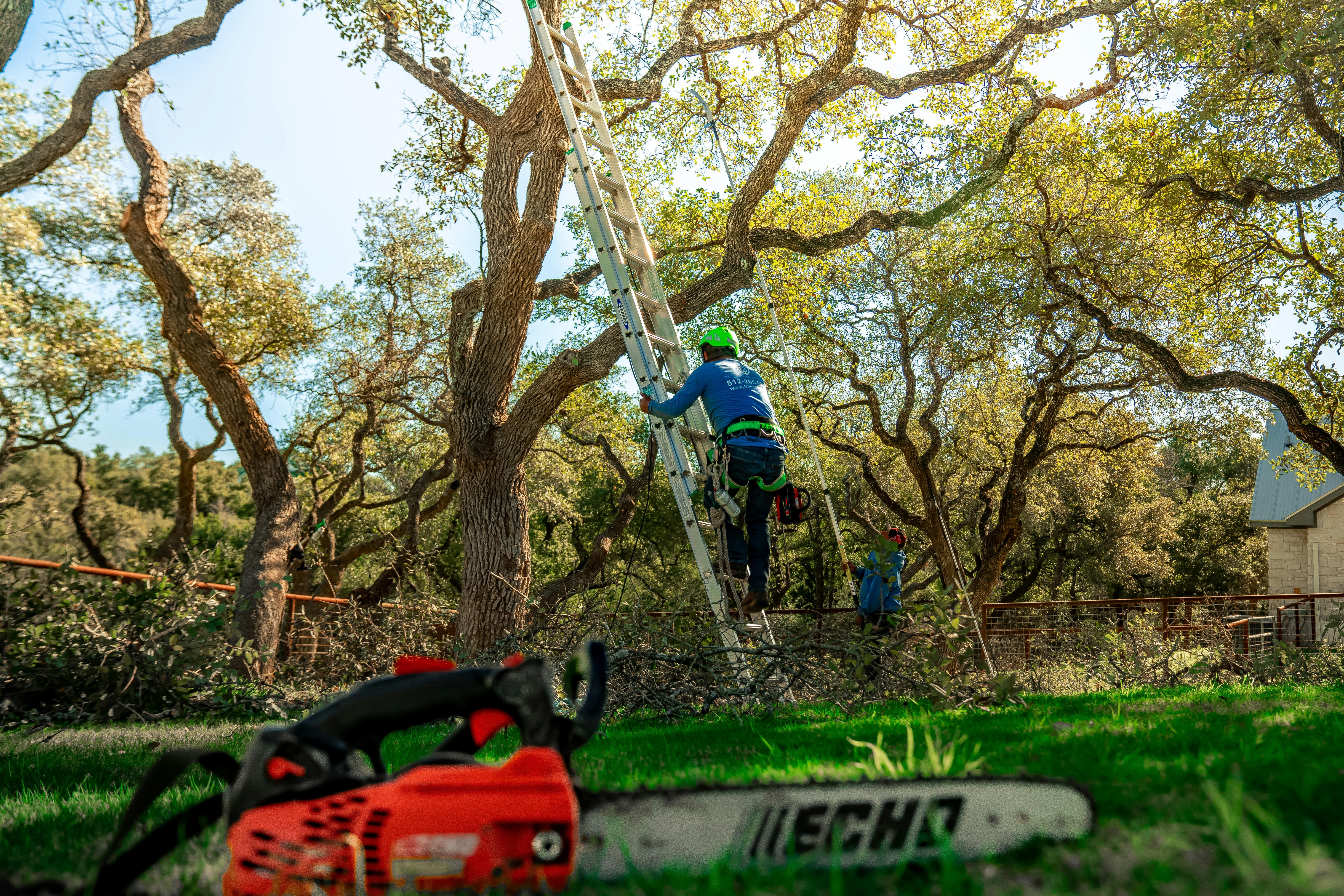
Map the canopy into workable sections, labeling limbs by length, weight, and escape direction; this guides rigging choices and tool staging. Ask about sprinkler heads, pet routines, and delivery windows, because small details derail good plans. Confirm where brush will stack, which gate stays locked, and who holds the yard keys at lunch. Keep a laminated checklist in the truck that calls out who cuts, who rigs, and who watches traffic.
Gather proper gear, inspect PPE, and stage materials smart
Every tool that touches wood should pass a quick readiness test—chains sharp, bars clean, and batteries topped—before the first notch. A simple pre-flight card tree removal catches loose lanyards, cracked helmets, and frayed rope that loves to fail at the worst time. Keep wedges, slings, and extra chains in color-coded tubs, with fuel and bar oil on a spill mat near shade. Sort rigging by safe working load, not by guess; tag limits reduce chatter when things get loud. Five quiet minutes of prep beat an hour of mid-job scrambling.
For urban jobs, add traffic cones, ground mats, and a spare line for surprise rescues; in rural areas, bring chocks and a come-along for muddy slopes. Carry a handheld blower to clear sawdust from roofs and gutters between cuts. Stage rakes, tarps, and cans at the edge of chip zones, not beside foot paths. Weather shifts quickly, so build a habit of cleaning as you go.
Build a realistic schedule and sequence cuts to reduce downtime
Write a simple timeline: site setup, main canopy work, trunk passes, and cleanup, each with target durations that match crew size and access. We include a sample half-day plan tree removal that shows how one climber and two ground hands keep momentum without rushing. Start with limbs over structures, then lines over walkways, and save free-space drops for later to maintain safe buffer zones. Pair the fastest sawyer with the calmest rigger during tight lifts; rhythm beats raw muscle. Swap roles every hour to keep eyes fresh.
Plan breaks around heat and wind forecasts, not the clock; a 10-minute pause before a technical cut prevents shaky hands. Call utility locates days ahead and verify again the morning of work. If a crane is booked, pad the arrival window and keep a fallback plan for hand lowering. A shorter job done well beats a long, risky push into dusk.
Control risk with proven roping and disciplined cut techniques
Tag live wires, brittle limbs, and dead stubs in bright paint before saws fire up; add arrows to show the planned travel path of each piece. A ground lead can mirror the canopy map tree removal and call out loads so the rigger stays ahead of surprises. Use a snap cut or bore cut where fiber holds are weak, and pre-tension lines to prevent shock loads on roofs. In gusty conditions, shorten swings and choose smaller lifts to stay under rated limits. If wood talks—cracking, creaking, shifting—stop and reset before the next move.
On a light commercial strip, we once split a tricky leaner into five balanced picks to avoid a brand-new storefront. The owner kept the entry open because we staged debris behind bollards and swept between lifts. Our spotter managed pedestrians at corners while radios linked the sawyer and rigger. That simple triangle—sawyer, rigger, spotter—kept the job clean and incident-free.
Balance cost realities with cleanup, disposal, and site protection choices
Not every yard needs a crane or turf mats, but skipping them can cost more in repairs than you save upfront. A quick cost sheet tree removal compares hand carries, mini skid paths, and turf mat rentals against the price of ruts and cracked pavers. Chip on-site when neighbors allow it and haul only logs; this keeps trucks light and fees down. Offer stump grinding as a separate line so clients can choose timing and depth. A clear menu with pros and cons builds trust and faster approvals.
For a narrow side yard, we used plywood runners, then billed them as a protective add-on the homeowner happily approved. Brush stacked by species chipped faster and cleaner, and logs loaded in order by diameter cut crane time later. We left a neat woodchip berm for garden paths, saving a trip to the dump. Small, explained trade-offs make budgets work without lowering safety.
Note to Homeowners and Managers
Before you book, ask about insurance, incident reporting, and what happens if weather shifts mid-job. Clarify who calls utilities, who secures pets, and who handles street parking on collection day. Good teams welcome those questions and answer in plain language. If someone dodges them, keep looking.
Conclusion
Quality-focused jobs start with tight scope, ready tools, and a schedule that favors control over hurry. Disciplined rigging, smart cut choices, and steady communication cut risk to roofs, lines, and people. Clear trade-offs on mats, chipping, and hauling keep budgets honest without sliding into false savings. Together, these habits turn a messy, high-stakes task into a clean, accountable process from first look to final sweep.
Location
Occupation
Our newest member: Receppef Recent Posts Unread Posts
